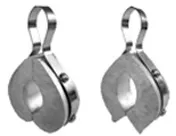
When you need precise control over how far your hydraulic cylinder extends or retracts, this little block makes all the difference. Maybe you’re trying to keep your loader bucket from tilting back too far, or you want to limit how high your three-point hitch lifts—that’s where stroke controls come in handy. This aluminum block slides onto your cylinder rod and acts like a mechanical stop, giving you exact control over cylinder movement.
What You’re Getting
- Solid aluminum construction that won’t corrode or seize up over time
- 3/4-inch thickness gives you a reliable stopping point without being bulky
- Designed specifically for 1-1/2 to 2-inch diameter rods—no adapters needed
- Clean machined surfaces ensure smooth operation and a secure fit
- Lightweight but tough enough to handle repeated impacts from cylinder operation
Built for Real Farm Work
This stroke control block works on hydraulic cylinders found throughout farm equipment—from loader arms and three-point hitches to implement lift cylinders and tillage equipment. Whether you’re running a compact utility tractor or a larger row-crop machine, if you’ve got hydraulic cylinders with rods in that 1-1/2 to 2-inch range, this block will help you dial in the exact travel you need.
Made to Last
Farm hydraulics take a beating, and this aluminum block is built to handle it. The material resists corrosion from moisture and chemicals, while the precision machining ensures it’ll slide smoothly on your rod without binding or wearing out quickly. It’s designed to take the impact when your cylinder reaches full stroke without cracking or deforming.
Good to Know
Installation is straightforward—just slide it onto your cylinder rod and position it where you want the stroke to stop. Make sure your cylinder is fully retracted and depressurized before working on it. Some folks find it helpful to mark the rod first to get the positioning just right before final installation.