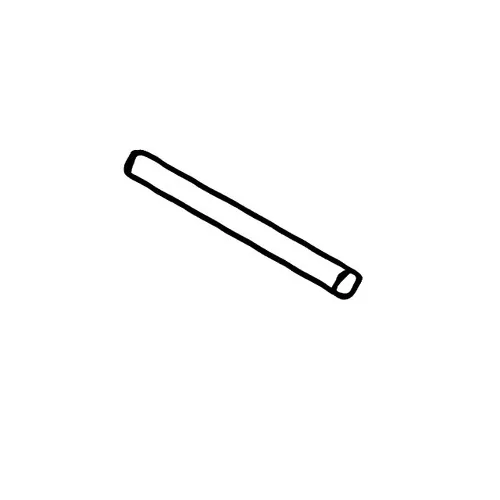
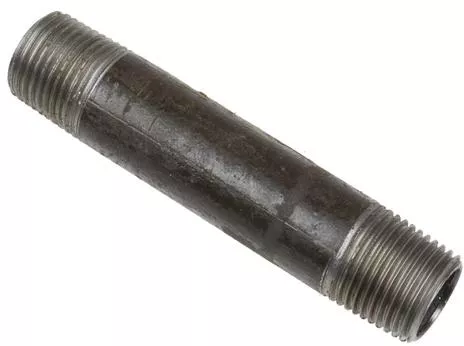
When you’re plumbing hydraulic lines or setting up fuel systems on your farm equipment, you need connections that won’t quit when the pressure’s on. This galvanized steel nipple gives you a reliable, threaded connection that handles whatever your tractor’s systems can dish out. Whether you’re running hydraulic lines to a loader or connecting fuel components, this little workhorse makes the connection and keeps it tight.
What You’re Getting
- Male NPT threads on both ends for versatile connection options
- Heavy-duty galvanized steel construction resists corrosion and handles high pressures
- 4-inch length provides the reach you need for proper spacing between components
- Standard 1/2-inch diameter fits most common farm equipment applications
- Precision threading ensures leak-free connections that stay put under vibration
Built for Real Farm Work
This nipple works great in hydraulic systems on everything from compact utility tractors to big row-crop machines. You’ll also find it handy for fuel line connections, shop air systems, and anywhere else you need to connect threaded fittings with some distance between them. The galvanized coating means it’ll hold up whether it’s under the hood or exposed to the weather.
Made to Last
Farm equipment puts pipe fittings through the wringer – constant vibration, temperature swings, and hydraulic pressures that can reach 2000 PSI or more. This galvanized steel construction handles all of that while the coating fights off rust and corrosion that would eat up regular steel fittings in no time.
Installation Notes
Use pipe thread compound or Teflon tape on the threads for the best seal – just don’t overdo it. Hand-tighten plus a turn or two with a wrench is usually plenty. Over-tightening can crack fittings or strip threads, which creates leaks instead of preventing them.